MIA Transfer Pricing Conference 2019, Kuala Lumpur, 15 July 2019
Knowledge • MIA Transfer Pricing Conference 2019, Kuala Lumpur, 15 July 2019
Knowledge • MIA Transfer Pricing Conference 2019, Kuala Lumpur, 15 July 2019
The Malaysian Institute of Accountants (MIA) has organised a transfer pricing conference in Kuala Lumpur on 15 July 2019. The conference is
aimed for participants to master the current and future #transferpricing practices in #Malaysia.
Malaysian Budget 2019 ushered in key changes impacting the transfer pricing environment. In addition to tracking the impacts of Budget 2019, tax experts and industry players will need to get up to speed with the latest developments in areas such as Base Erosion and Profit Shifting (BEPS), Country-by-Country Reporting (CbCR), Intra-Group Financing services, Analysis of Contractual Terms and Anti-Avoidance provisions, in order to enhance compliance with the current Transfer Pricing regulations and policies to avoid punitive action by the tax authorities.
The Conference seeks to provide insights into:
The conference is packed with a number of hot topics in relation to the key areas in #transferpricing that #tax experts must master in order to avoid being penalised by tax authorities and improve the profitability of your organisation in the long run. Click here for details of the agenda.

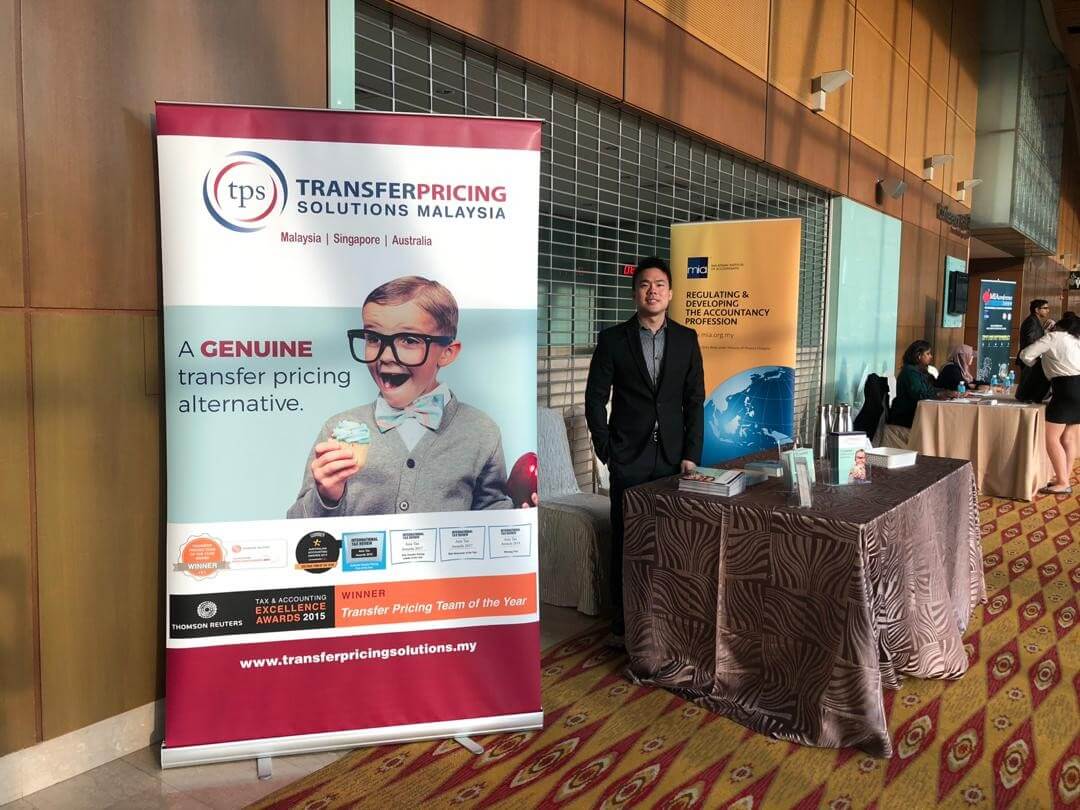
We are delighted to announce our participation as exhibitors in the MIA Transfer Pricing Conference 2019. Come and say hi to our booth
and if you want to meet or reconnect with the members of our team, please feel free to contact us at
services@transferpricingsolutions.asia.
Malaysia’s transfer pricing framework continues to evolve, with the Inland Revenue Board of Malaysia applying increasing scrutiny to how multinational groups price, document and defend related‑party transactions. For businesses operating in Malaysia, transfer pricing has become a core tax risk area rather than a routine compliance exercise.
As tariff wars intensify, government deficits balloon, and supply chains fragment, the OECD’s 15% global minimum tax has shifted from a technical compliance issue to a strategic imperative reshaping how and where multinational enterprises compete.